Interviewees
I was fortunate enough to be able to interview 3 individuals that have there a background and focus in education. Each add a valuable new perspective to my research and ultimately helping me come to a conclusion regarding potential solutions.


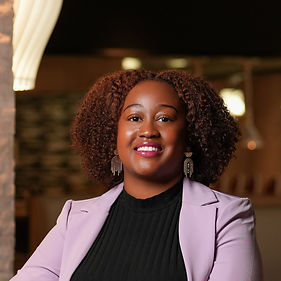
Policy Lead on the P-12 Policy Team
Qubilah Huddleston
Ms. Huddleston works at Ed-Trust, and focuses on improving opportunities in education from preschool through college. Providing vidence-based research and policy solutions, and expert guidance to shape policies and practices that expand opportunity, access, and success for all learners.
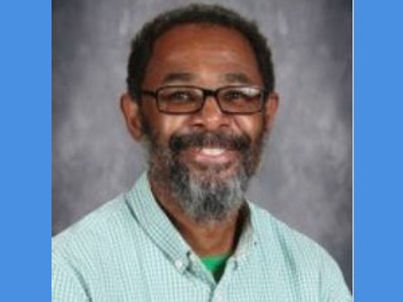
CPS Technology Teacher At New Field School
Cody McLaurine
As a New Field School Teacher, I believe that his insight as working both in a private and public school could be crucial in describing the differences in resources. I also believe that the methods he uses combat the lack of resources.
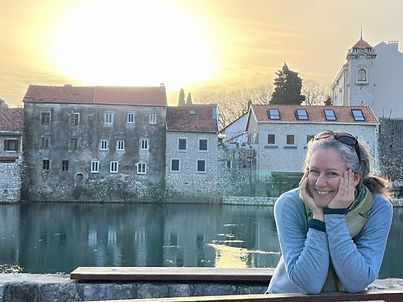
Boarding School Teacher, LFA & Wash U Graduate
Christina Massey
Ms. Massey is my alumni contact and I believe that in her field of work she has valuable personal information or experience regarding the lack of opportunities that schools provide and solutions that she would like to put in place.
The Interview With...
Qubliah Huddleston
-
While she was at DCFPI, hired to do school funding work
-
Analyzing DC budget proposals from the mayor and speaking in front of the council on bills and policies that were going to be put into place
-
Got to a point, the organization wasn’t a fit and unique how the charter sector works
-
Felt like it was becoming impossible for her to do the work that she wanted to do and advance public education
-
People and organizations were sector driven and pro-traditional system and pro charter.
-
Felt like she couldn’t do much
-
-
-
Decided to focus on school funding nationally
-
New start, learn more about school funding across the country
-
More connections and felt that she could do more to elevate her expertise
-
-
The Interview With...
Cody McLaurine
-
Difference at Baker, always some type of fundraiser and supplies
-
Parents are always donating and helping out, and parents have the means to be able to do these things. More time, more money to spend on school supplies and other resources that weren’t a necessity, but a privilege to have.
-
Technology
-
Big differences were Baker, always a computer lab and open and technological resources were always readily available to use. Like personalized devices
-
New Field, only had computers in the computer lab, didn’t specialized devices
-
Baker students had the opportunity to attend gym classes and field trips once a month. More opportunities for experiential learning.
-
Some students spoke about how they don’t have the same opportunities outside of school, like playgrounds, outside activities run by the school. Neighborhood environment plays a big role, children and parents didn’t feel as safe to get out and request programs for students
-
While Baker, in Evanston, was much safer and reliable. Parents trusted their environment and allowed their children to do more.
So in all, yes, but the environment has played a big role as well.

The Interview With...
Christina Massey
-
Not only due to funding, but also because of what’s available in this country
-
Due breaks and vacations teachers have left the country and going to the U.S to buy books and other materials that aren’t available
-
A LOT OF PHOTO COPYING
-
Lack of school funding
-
Impact the school more and more, especially with the stability of the school. Since building that the school uses are rented,
-
Local staff cooking
-
Overall a robust amount of things can be impacted. From students engagement with other cultures, through things like food, or technology, books,
-
Leads to negative psychological effects
-
Anxiety
-
High levels of stress
-
They do end up, transferring to the US for more opportunities.
-
College she taught at in China
-
Public college,
-
very poor families (ex: one piece of meat at the meal)
-
-
First in their village to go to college
-
Family members dropped out of college so someone else in their family can afford college.
-
